Crucial Components when Creating an Reliable Commercial Sound Distribution Setup
Wiki Article
Designing an efficient business audio distribution system is vital for any organization that leans on sound to enhance the customer experience. This system empowers businesses to deliver music, announcements, and other audio content to multiple areas within a premises. Core factors in designing a high-performing audio distribution system include an understanding of sound quality, optimal equipment selection, strategic layout planning, and consistent maintenance practices. These aspects work together to guarantee that the audio system fulfills the unique needs of the space and the audience.
Sound quality is one of the most vital factors of an audio transmission system. High-quality sound elevates the listening experience for patrons and can establish a inviting atmosphere. Considerations such as speaker configurations, signal amplifiers, and acoustics all play a role in achieving crisp and even sound. Companies should consider purchasing industry-standard speakers that are tailored for their venue. For example, public zones might depend on rugged speakers, while hallways may achieve better results with multi-speaker setups. Ensuring that all units are well-matched and seamlessly connected is essential for peak performance.
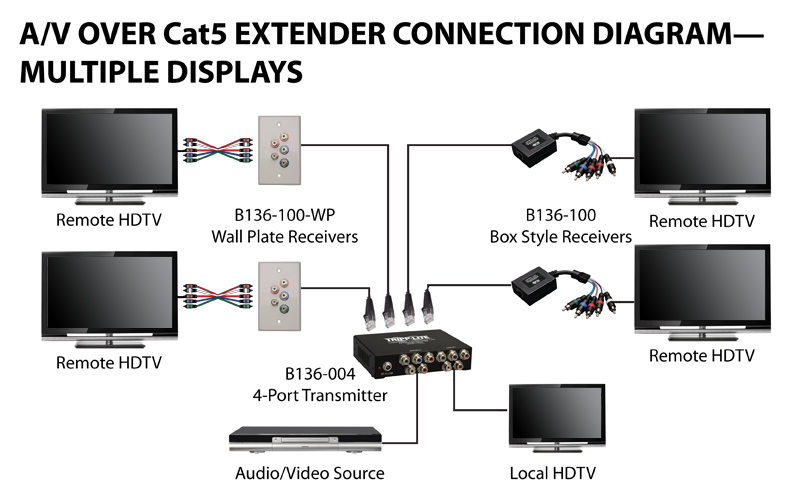
The picking of audio systems has a major role in the success of the broadcast. This includes selecting the right audio mixers, amplifiers, and playback units. Enterprises should analyze their specific audio objectives before finalizing procurements. For instance, a shop might utilize different systems than a eatery or meeting venue. Additionally, integrating tech-driven tools can elevate functionality. Digital platforms that support off-site management or integration with tablets can provide adaptability in adjusting audio output and listening zones throughout various zones.
Planning the arrangement of the audio sound system is another essential aspect. A well-thought-out plan guarantees that sound is consistently distributed across all zones without any coverage gaps or unwanted feedback in certain areas. This requires precise arrangement of speakers and understanding of how sound propagates in each space. Considerations such as capacity, structure, and decor can change acoustics. Conducting an room analysis see it here can enable pinpoint the most suitable locations for speakers to deliver consistent sound projection throughout the space.
Finally, routine maintenance is necessary to ensure an audio broadcast system functioning seamlessly. Ongoing care includes scheduled evaluations on equipment functionality, addressing any problems immediately, check out here and upgrading applications when appropriate. Coaching operators on how to operate the system properly can also reduce frequent issues and increase the durability of the devices. By focusing on system checks, facilities can preserve superior audio experience and eliminate technical issues that could reduce the audience experience.
To conclude, designing an well-functioning enterprise audio communication system calls for meticulous analysis of sound quality, system setup, installation strategy, and preventive care. When these factors are managed effectively, businesses can enhance their environment with immersive audio systems for their visitors. Committing to a efficiently structured audio system not only supports interaction but also creates a engaging atmosphere that can improve customer satisfaction.